Press News

Press News

03-12-2025
The Experience Imperative
How Immersive Brand Cultures Are Redefining the Future of Luxury
Stuttgart, December 03, 2025 – For more than three decades, Liganova has shaped the world of brand staging and is considered a pioneer in brand experiences and brand spaces. Few companies recognized as early how strongly a brand’s success depends on the interplay between product and experience. This conviction still defines the company’s identity today – and is increasingly becoming the new reality for the entire brand world: the experience economy is no longer a trend, but the foundation of a new brand logic. Nowhere is this shift more apparent than in the luxury industry.
Luxury, once synonymous with exclusivity and logo culture, is increasingly becoming a testing ground for the brands of tomorrow. It’s no longer about possessing, but about meaning. Future-oriented brands generate desirability not through distance but through closeness – not through boundaries but through community.
“Brands are not products – they are cultural systems,” says Timo Schönauer, Co-CEO of Liganova. “They create meaning, foster community, and convey attitude. That is the new understanding of luxury.”
From Product to Meaning
Whether brand space, pop-up, or immersive environment: the currency of the future is emotion. What matters is the feeling an experience evokes. Brands create value when they place experiences, not products, at the center.
What used to be defined by status symbols now emerges through resonance. Brands that want to remain relevant must create emotional spaces – places that connect and inspire rather than merely present. Liganova sees spaces as a brand promise made visible. They create closeness and context and thus the conditions for building communities – a decisive differentiator in an increasingly fragmented world.
At the core for Liganova’s experience experts is the interplay of brand space and brand activation. A space only generates identity and relevance when it comes to life, and an activation only has real impact when it is rooted in a meaningful brand environment.
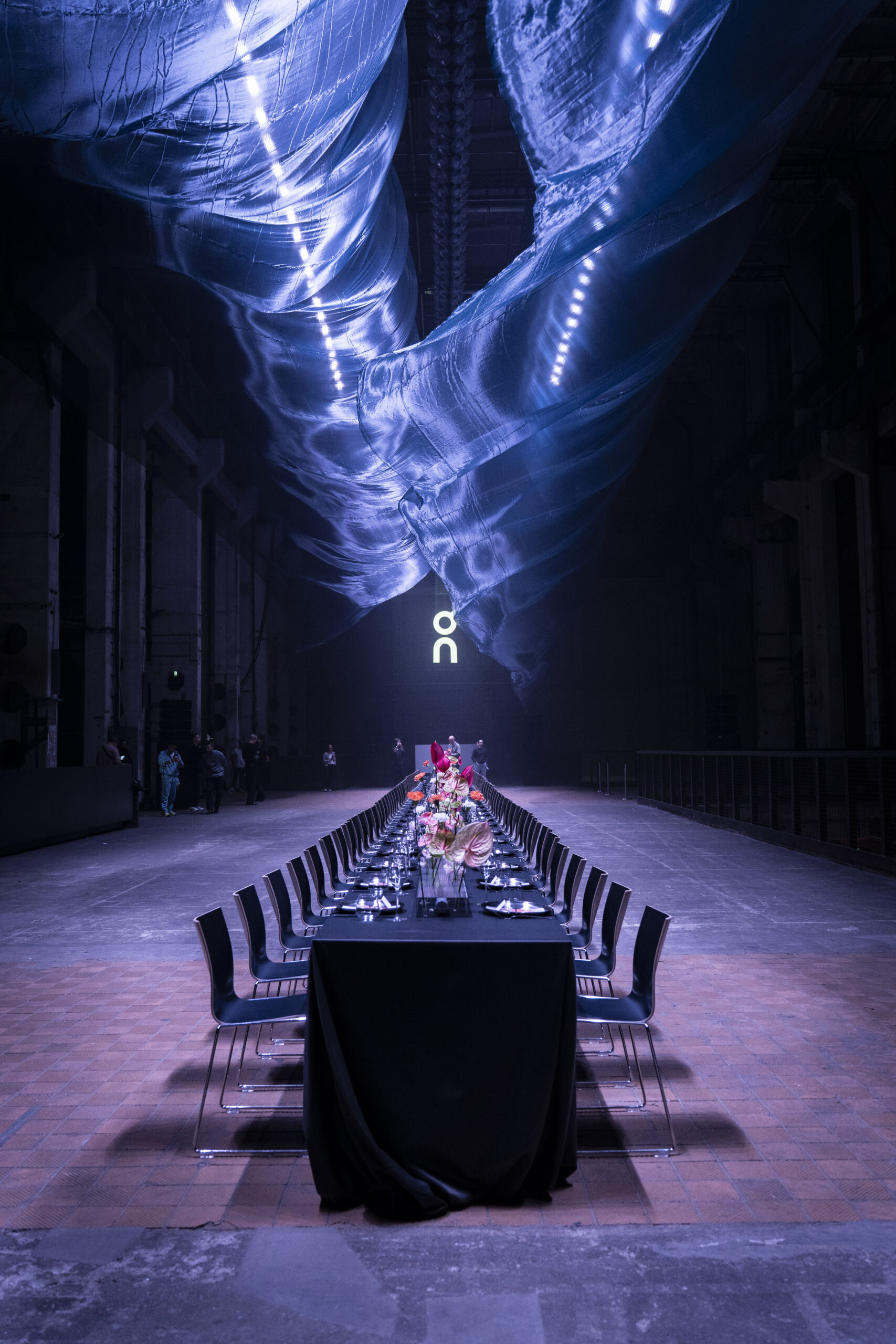
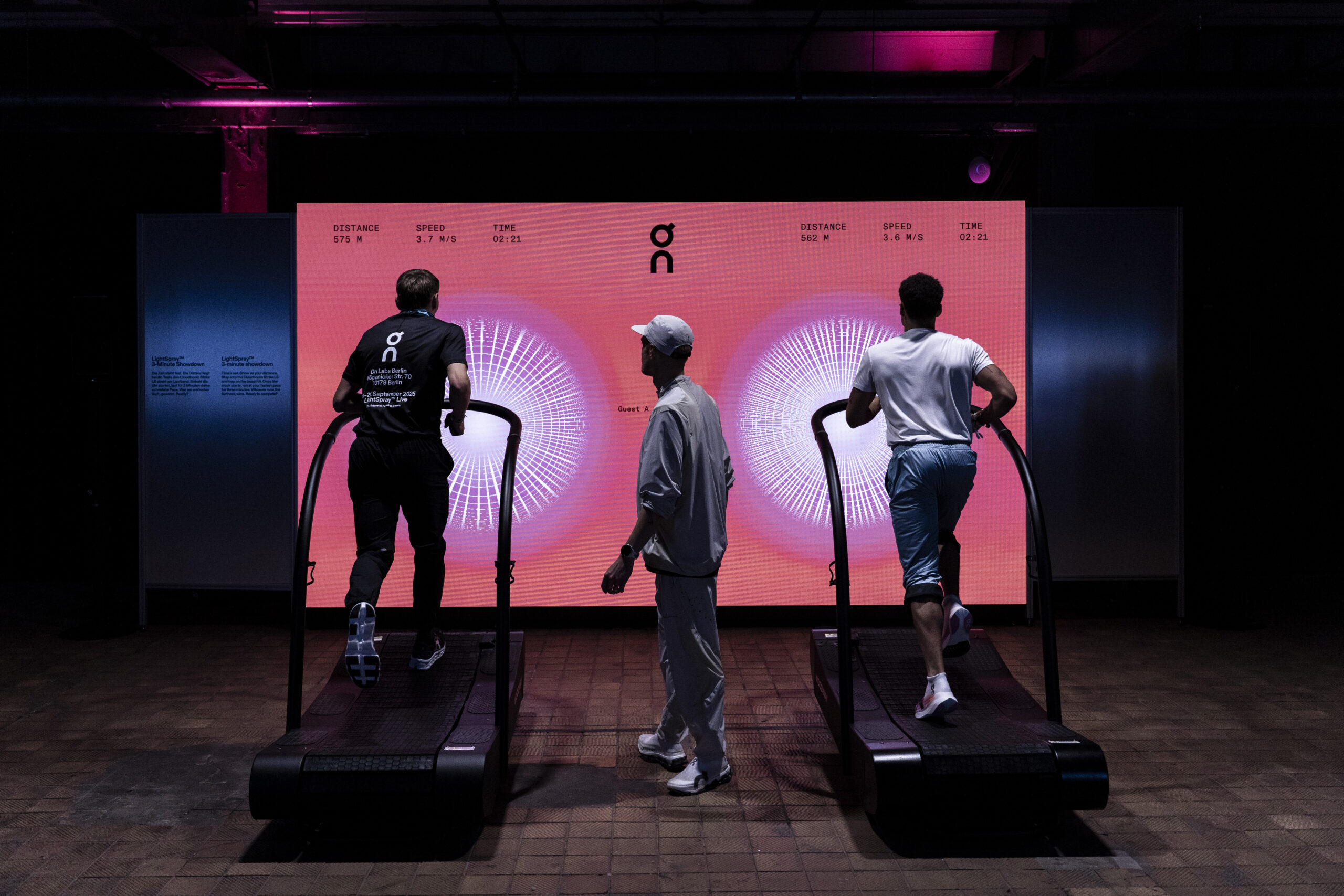
Real Time. Real Life. Real Connection.
In a world where everything is available, the authentic becomes rare. It’s about encounters, not just reach. “People want to be part of a story,” emphasizes Schönauer. “Real life and real time are gaining significance. People want to experience and share the now – directly, authentically, and genuinely.”
Digital brands, too, are realizing that this relationship is built primarily in real life. More and more are therefore taking the step into physical presence – not by coincidence, but by clear strategy. They were launched and scaled online, but further expansion and an increase in brand value require exclusivity, personal exchange, and, above all, emotion. From furniture brands like Westwing to streaming services like Netflix and service providers like Mastercard, D2C brands are now investing in physical spaces, seeking real locations for their digital communities to experience the brand – with all their senses.
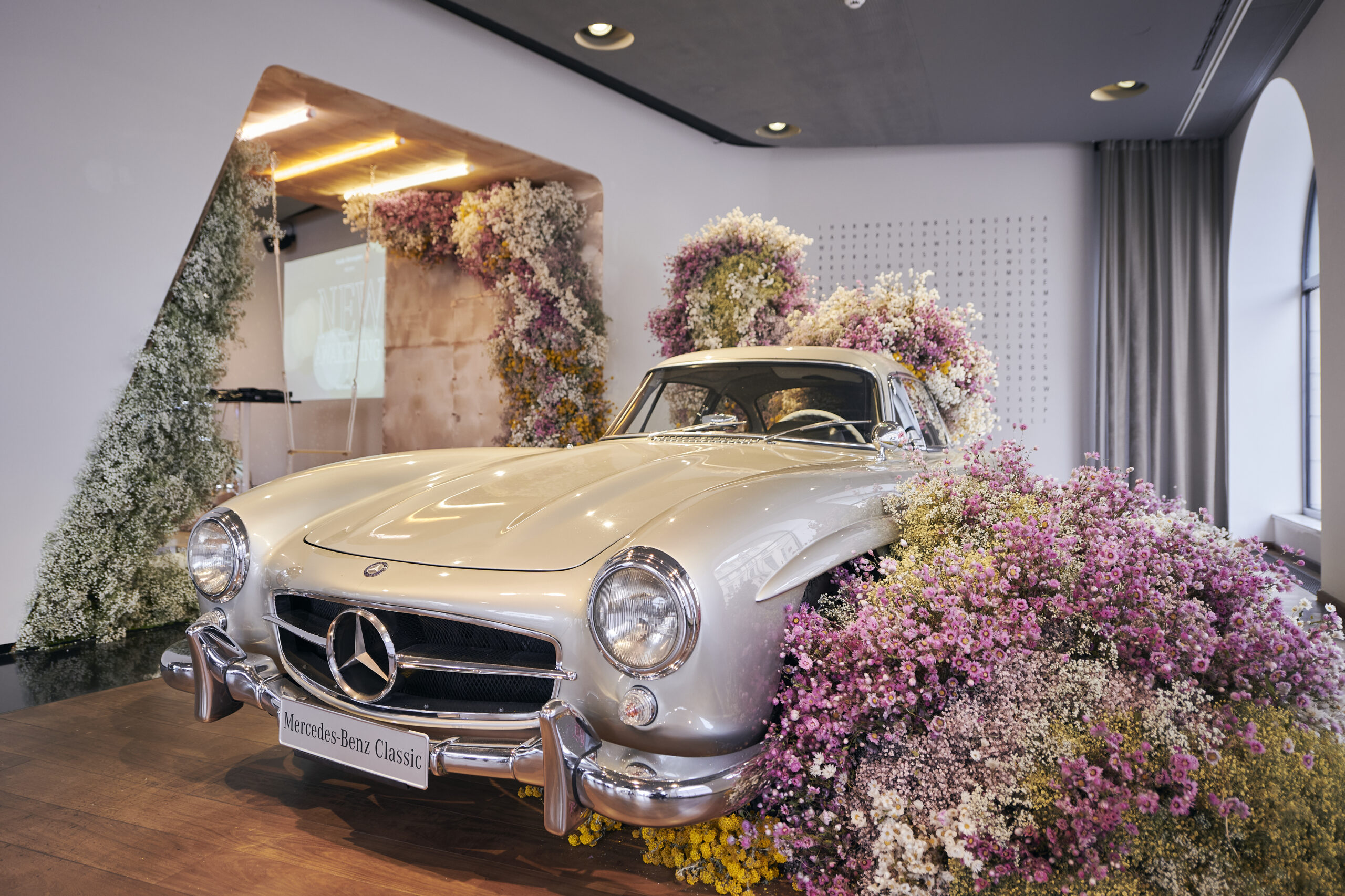
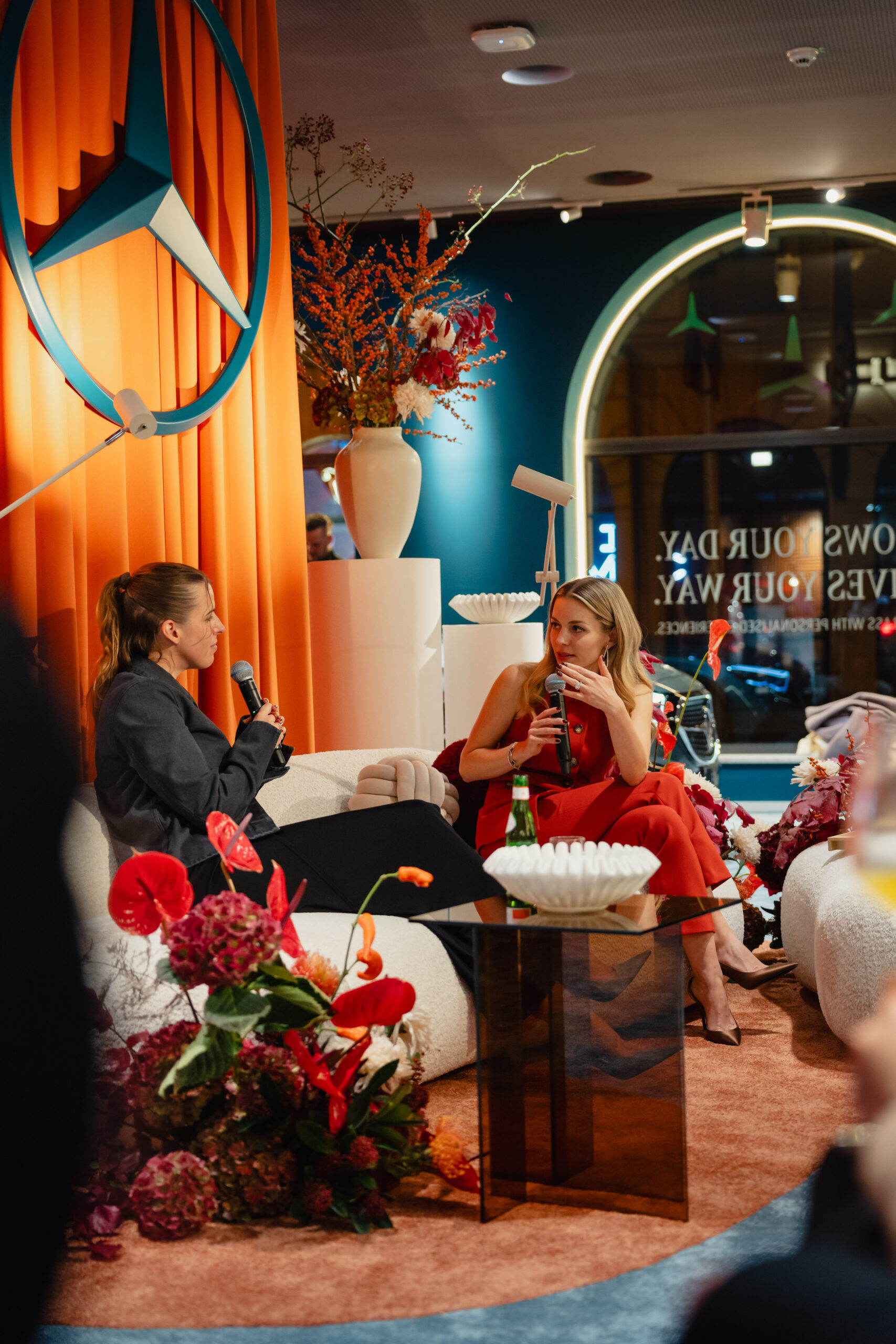
For Liganova, physical space is no longer a place of sale, but the stage for brand perception. Every square meter becomes a communication surface, every encounter becomes content. This is also true of Studio Odeonsplatz by Mercedes-Benz. As the first “programmatic brand experience space,” Liganova reimagined this retail space as a curated content hub and vibrant community platform. Across 400 square meters, brand, community, content, and hospitality merge into a “phygital brand experience environment” that elevates brand communication to a new level. This approach could become a blueprint for the commercial brand spaces of the future: physical and digital, adaptable, relevant, and offering real added value for audiences.
Next is Now – Innovation as Mindset
“Brand marketing will continue to evolve through technological and cultural innovations,” says Schönauer. What matters is the ability to interpret and translate these changes correctly. The guiding principle “Next is Now” encapsulates the company’s mindset. Liganova sees itself not as an observer of this transformation, but as an architect of a new era.
Originally published in Business Punk.
More press news