The Future of Brand Loyalty in Retail
Why Authentic Moments Stay with Us

The Future of Brand Loyalty in Retail
Why Authentic Moments Stay with Us

We live in an era where people experience more than ever before – and yet feel less. Screens dominate, AI accelerates everything, availability is endless, and comparison is constant. The new challenge for brands is clear: creating moments that endure. Moments that are not merely seen, but felt – and remembered.
What we are currently witnessing is a distinct shift: from loud to quiet. From mass to niche. From digital efficiency to physical emotion. The focus is moving away from “How many people saw it?” toward “Who did it truly move?”, a paradigm shift that forces brands to stage experiences with greater depth, intelligence, and intention.
We highlight the formats that are gaining momentum, the cases setting new benchmarks, and the trends shaping the future of experience.
Microculture Activations – From Hype to the Hidden
Pop-ups are moving away from over-staged, Instagram-first concepts that have become ubiquitous. Instead, local codes, subtle references, and cultural depth are gaining importance. This “hidden layer” sensibility makes experiences more intimate, intelligent, and understated – while giving them lasting impact.
Insight: The future belongs to moments that resonate quietly but endure. It’s not about everyone seeing it, it’s about the right people never forgetting it.
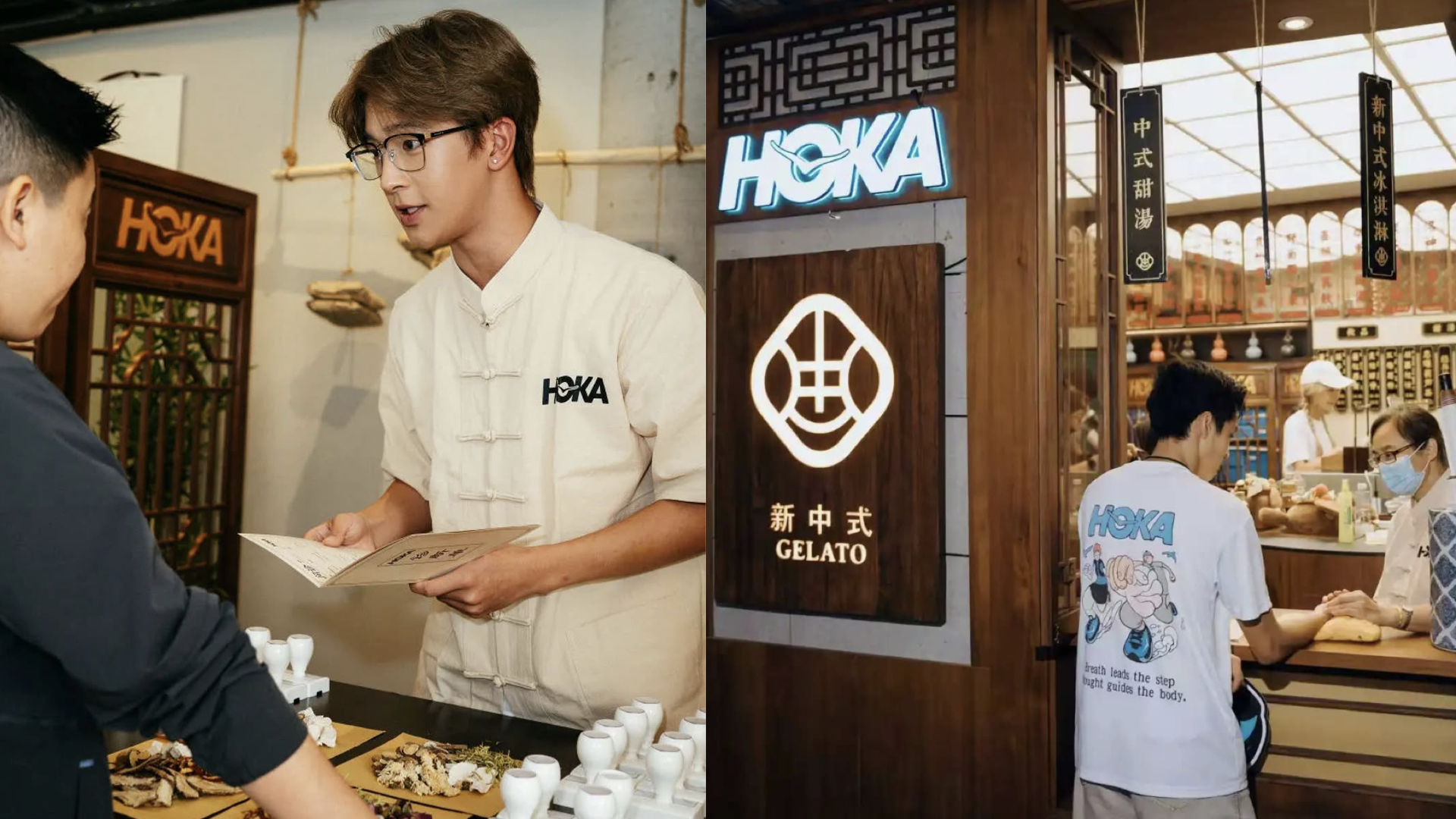
In Practice: In practice: Nike brings Microculture Activations to life through collaborative formats such as Soup Chop x Nike, where community, food, and local codes matter more than overt visibility. HOKA follows a similar approach with initiatives like HOKA x TCM and the HOKA Run Shop, deliberately focusing on proximity to the local running community and a clearly defined cultural stance.
Self Spaces: Wellbeing as an Experiential Ecosystem
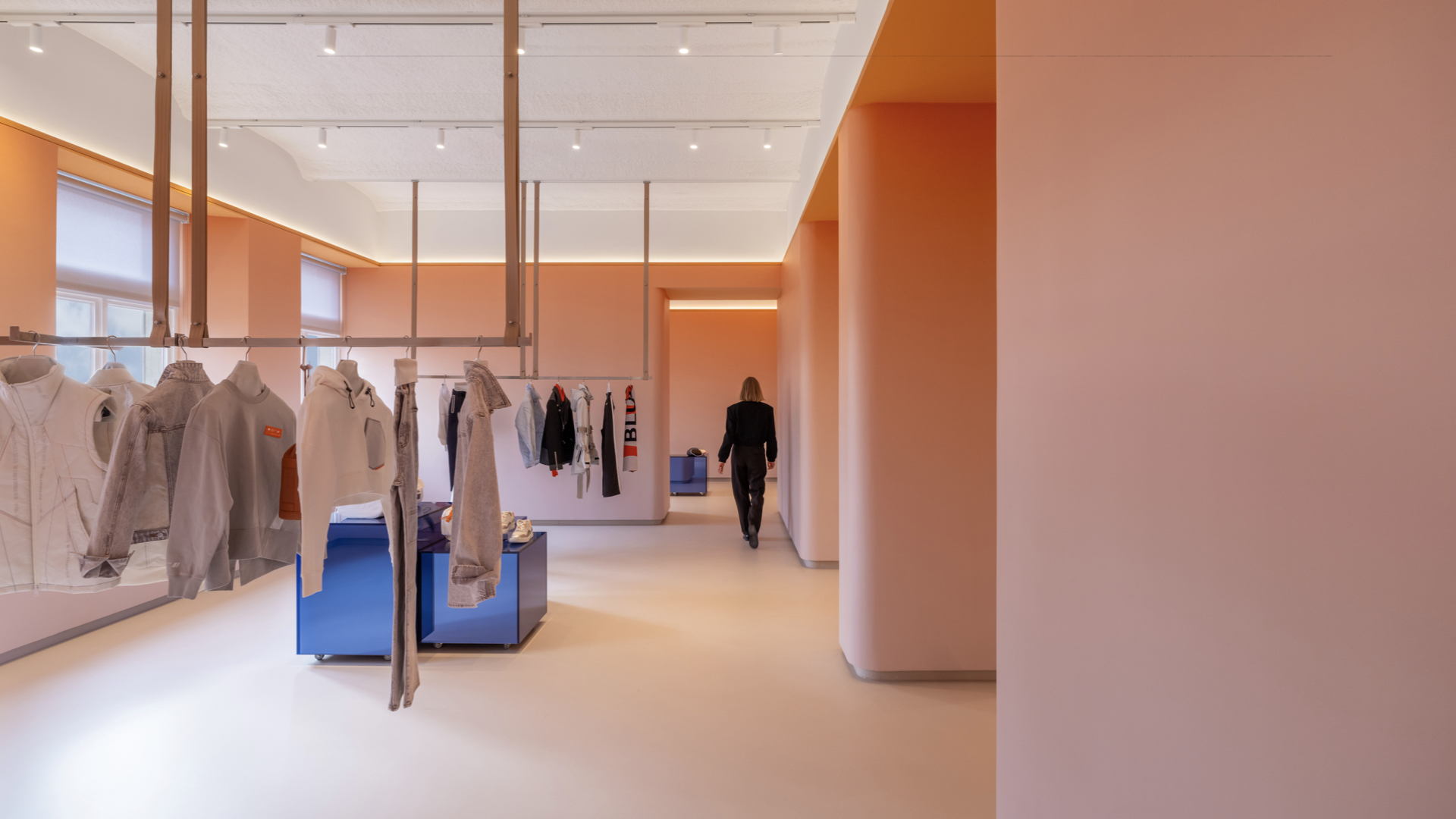
Stores are evolving into mini-retreats. Health, beauty, and wellbeing are experienced multisensorially. In an age of constant stress and urban overload, self spaces are becoming increasingly relevant. Consumers are consciously investing in intangible values that enhance their wellbeing. Scent, sound, personal consultation, and spatial design merge into holistic experiences that give energy rather than drain it. Brands become enablers of health, regeneration, and personal balance.
Insight: Regeneration is the new currency – spaces that give energy instead of taking it. There are no neutral spaces anymore. Whether retail, hospitality, or work environments, places are increasingly understood as emotional ecosystems that actively influence how people feel.
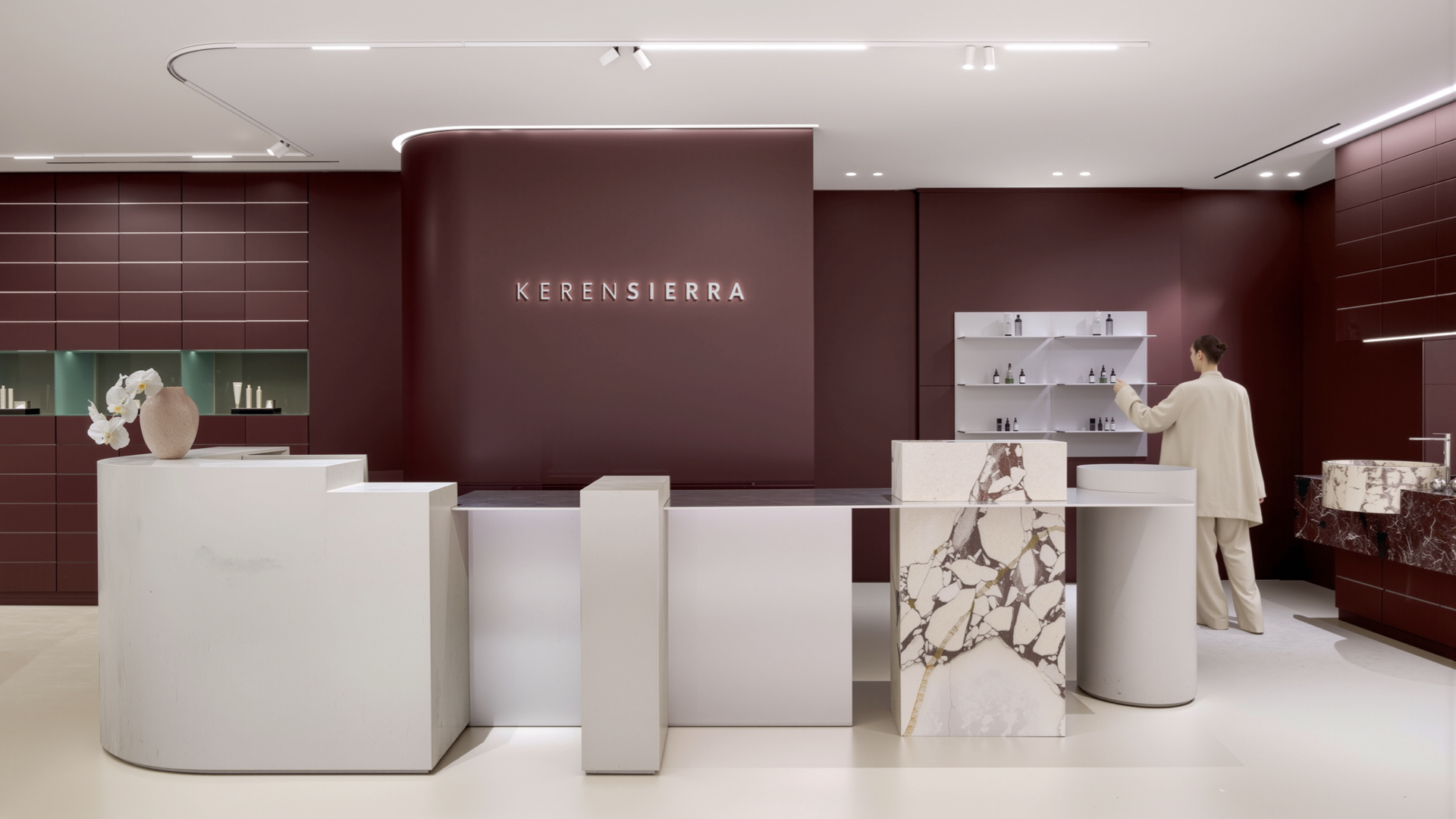
In Practice: Keren Sierra at Breuninger creates an urban wellbeing retreat in a prime location, where modern aesthetics and holistic beauty become tangible and enable short, regenerating breaks. Rituals Mind Oasis brings moments of mental relaxation into flagship stores, combining breathing exercises, meditation, scent, and sound into multisensory experiences. Spring 113 operates as a living lab for longevity and health, offering immersive installations and experiential formats.
Hyper-Focus Spaces: One Product, One Story, Maximum Impact
Brands are radically reducing: one product, one material, one color, one emotion. Clarity creates desirability by directing attention to what truly matters. In a world overloaded with stimuli and shrinking attention spans, a single, clear focus stands out more than countless fragmented signals. At the same time, consumption is becoming more conscious. Customers want to understand why a product matters. Reduction creates precisely this space.
Insight: Reduction beats overload. Those who simplify gain perceived value and attention.
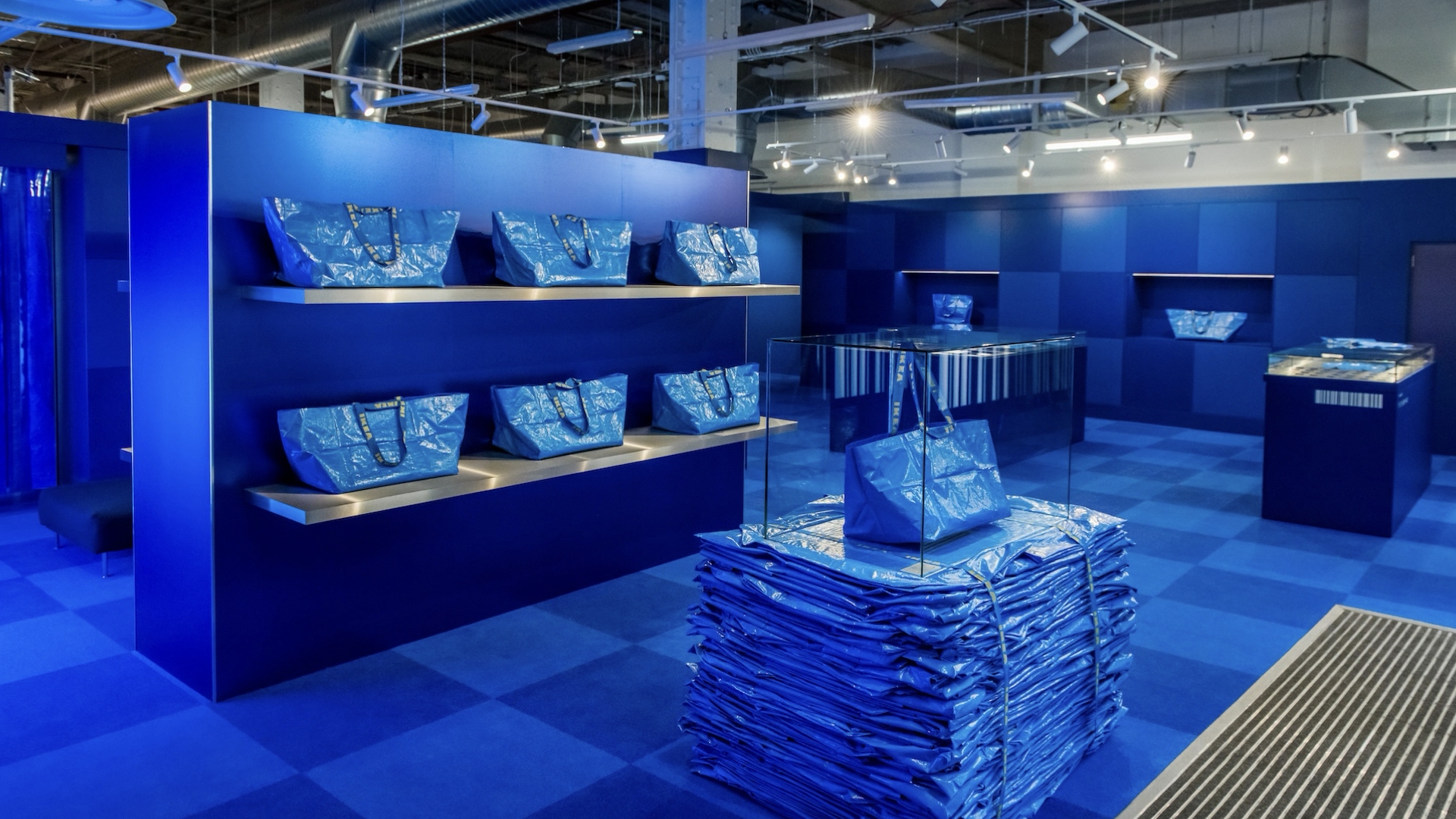
In Practice: IKEA House of Frakta is a strong example of hyper-focus, and many more will follow. A single hero product – the iconic Frakta bag – was staged in its signature blue, uniting material, color, storytelling, and design within a clear mono-focus space. Jacquemus 24/24 followed a similar principle: fully automated pop-ups centered around one bag model, available in different color variations.
Urban Playground – From Product to Play
Stores and installations are becoming real playgrounds. Sport, movement, street culture, and community merge into experiences where customers participate rather than merely observe or shop. Brands create spaces for engagement instead of pure staging – exactly what Gen Z and Gen Alpha are seeking today: real experiences, not static displays. Communities need physical meeting points, and brands increasingly act as enablers of activity and interaction.
Insight: Interaction beats staging – active experiences stay in memory longer.
In Practice: Nike x Palace Skateboards Manor Place functions as a community hub with a skate park, underground football pitch, gallery, and creative spaces. Adidas developed the Desert Track, a 200-meter running route in the desert that merges movement, meditation, and land art. On focuses on installations that place product testing and innovation experiences at the center, making both brand values and community engagement actively tangible.

Universe Retail – From Store to Destination
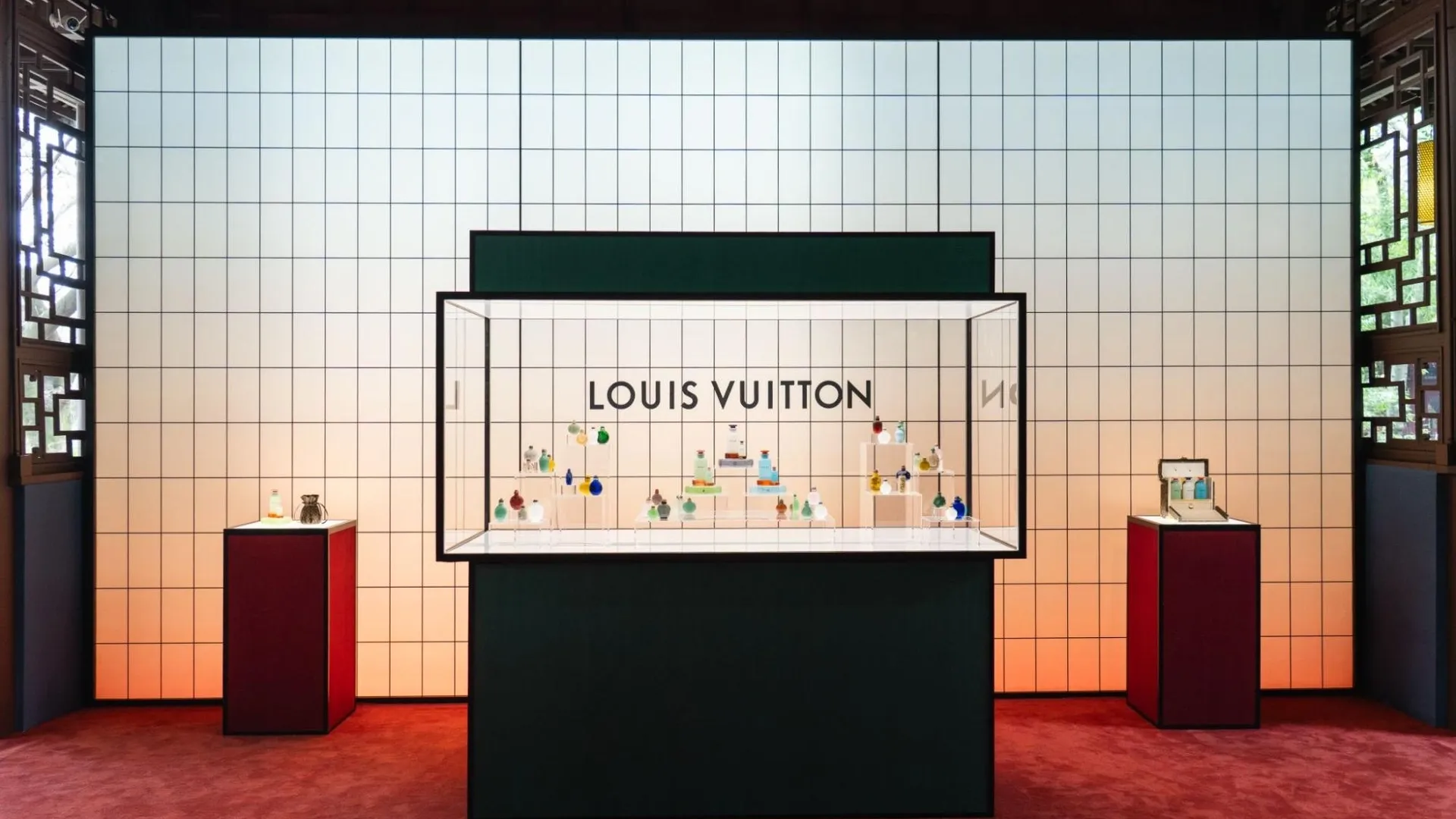
Brand houses are evolving into experiential universes. Retail, culture, community, hospitality, and museum-like showcases merge into immersive, curated environments where brands create unique destinations and social spaces through cultural hybridization. These are physical anchors in an increasingly digital world. Brands no longer stage products alone, but entire experiences that tell stories and connect people.
Insight: Brands as destinations: multisensory universes for experiencing, discovering, and connecting.
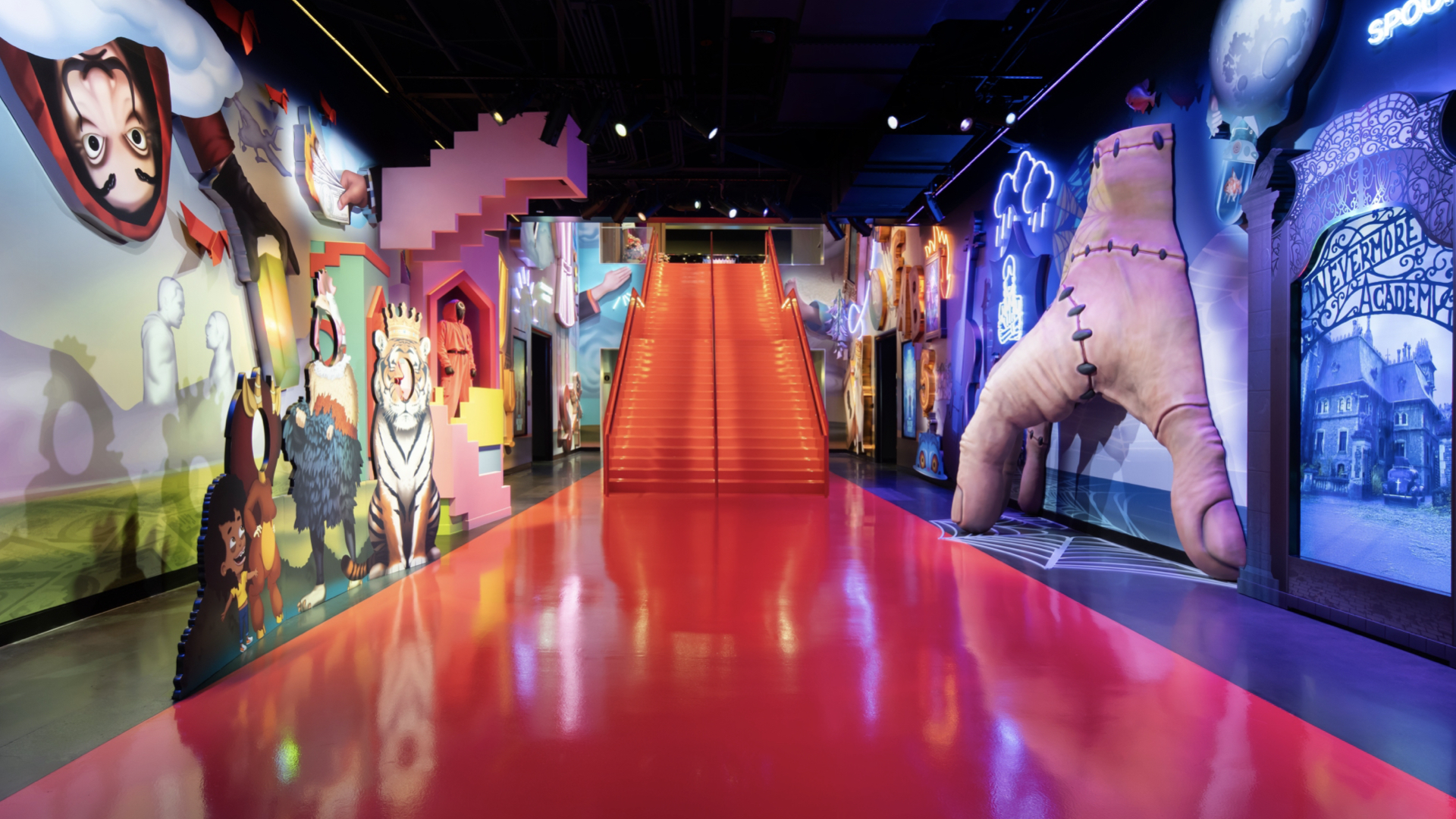
In Practice: NIO House Amsterdam translates mobility into an open brand universe where retail, café, community spaces, and cultural formats merge into an urban meeting point. Netflix creates immersive content destinations through its Houses and pop-ups, making storytelling, entertainment, and community tangible in physical space.
Published in FashionUnited.

About the authorKarin LeibergDirector of Brand Activation & StrategyLIGANOVA
Any questions? Email us
More from our newsroom